


Choosing a water pump in Malaysia is not just about selecting a model with higher horsepower. It is about understanding your water demand, pressure requirements, installation environment, and long term operating cost. A mismatched pump can result in unstable pressure, excessive electricity usage, overheating, or frequent breakdowns.
In Malaysia’s tropical climate, where humidity is high and water usage varies across residential, commercial, agricultural, and industrial sectors, selecting the correct pump specification is essential. This guide focuses on practical considerations that help buyers make informed decisions before purchasing.
Understand Your Application First
Before comparing specifications, clarify what the pump is meant to do. Different applications require very different configurations.
1. For residential homes, the most common need is pressure boosting, especially for double storey houses where upper floor showers experience weak flow. Some properties also require water transfer from underground tanks to rooftop storage systems.
2. In commercial buildings such as shop lots, hotels, or office towers, the goal is usually to maintain stable pressure across multiple outlets at the same time. These systems may require automated controls to prevent pressure drops during peak usage.
3. Industrial users typically focus on continuous operation, process water circulation, or cooling systems. Reliability and durability become more critical than initial purchase price.
4. Agricultural projects often require groundwater extraction or irrigation over large areas. In these cases, pump depth capability and flow consistency are key considerations.
Clearly identifying the application prevents oversizing or undersizing the system.
Flow Rate and Total Head Are More Important Than Horsepower
Many buyers in Malaysia choose pumps based on horsepower alone. However, horsepower does not automatically mean better performance. The correct sizing depends on two technical factors.
Key parameters to evaluate include
- Required flow rate based on the number of outlets or irrigation coverage
- Total vertical height the water must travel
- Pipe length and friction loss from fittings
- Required outlet pressure for end use
Total head includes more than just vertical height. Long horizontal piping and multiple bends create resistance that reduces actual pressure. If this is not calculated properly, the pump may appear strong enough on paper but underperform in real usage.
Choosing the Right Pump Type
Different pump designs serve different purposes. Selecting the wrong type may lead to inefficiency or early wear.
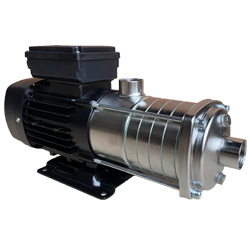
Centrifugal Pumps
Centrifugal pumps are commonly used for clean water transfer and circulation systems. They are suitable for factories, building services, and general water supply where steady flow is required.
They are valued for simple construction, easier maintenance, and cost efficiency in continuous operation. However, they are not ideal for very deep suction applications without proper priming design.


Submersible Pumps
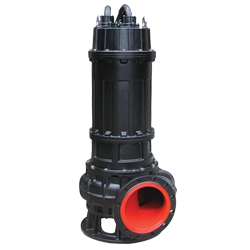
Submersible pumps operate underwater and are commonly used for wells, boreholes, and drainage. They are efficient for deep water extraction because they push water upward rather than pulling it from the surface. The motor is sealed and submerged, correct material selection and motor protection are important for long term reliability.
They are particularly suitable for
- Agricultural irrigation from groundwater
- Construction site dewatering
- Flooded area drainage


Consider Malaysia’s Environment and Water Conditions
Malaysia’s climate introduces specific challenges. High humidity can accelerate corrosion if materials are not properly selected. Outdoor installations must consider rain exposure and adequate motor protection rating.
Water quality also varies by region. Sediment, sand, or mineral content may affect impeller wear. For such environments, selecting suitable material construction improves lifespan and reduces maintenance frequency.
Energy efficiency has also become more important in 2026. Electricity cost contributes significantly to operational expenses, especially in commercial and industrial settings. Variable speed systems that adjust output according to demand can reduce unnecessary power consumption.
Conclusion
Choosing the right water pump in Malaysia requires balancing technical requirements, operating environment, and long term efficiency. Relying solely on price or horsepower often leads to performance issues later.
By understanding flow rate, total head, application type, and environmental factors, buyers can avoid common mistakes and select a system that performs consistently for years.
For those who require technical clarification or project specific recommendations, consulting an experienced supplier such as MET can help ensure the pump selection matches real operational needs. Proper sizing and guidance at the beginning often prevent costly adjustments in the future.
Frequently Asked Questions (FAQs)
What’s the difference between a centrifugal pump and a multistage pump?
A centrifugal pump has a single impeller and is ideal for moving large volumes at low to medium pressure. A multistage pump has multiple impellers stacked in series, allowing it to generate higher pressure while maintaining stable flow, making it suitable for high-rise buildings or industrial water distribution.
Can a water pump solve low water pressure issues?
Yes, selecting the right pump configuration can stabilize water pressure. Factors such as flow rate, total head, and pump sizing are more important than simply choosing a higher-powered motor.
How do I maintain my water pump in Malaysia’s climate?
Regular maintenance includes checking for leaks, cleaning filters, ensuring proper voltage supply, and monitoring pump performance. For multistage or industrial pumps, periodic inspection of impellers and bearings is recommended.
Can MET help me choose the right pump for my property?
Yes. MET provides consultation for selecting water pumps based on flow, pressure, and application type. We can guide you on proper pump sizing and configuration to ensure reliable performance over time, whether it’s for residential, commercial, or industrial use.
