

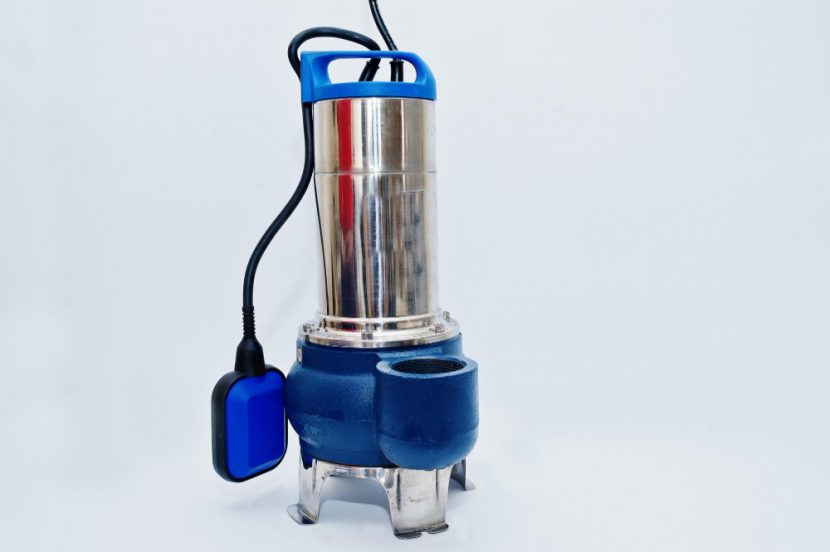
Submersible pumps are an essential part of water management in Malaysia, used across residential, commercial, and industrial applications. From boosting water pressure in homes to handling wastewater in factories, the right submersible pump ensures efficiency, reliability, and longevity. With so many options available, choosing the right pump can be overwhelming. This guide shares 7 practical tips to help you select the best submersible pump in Malaysia.
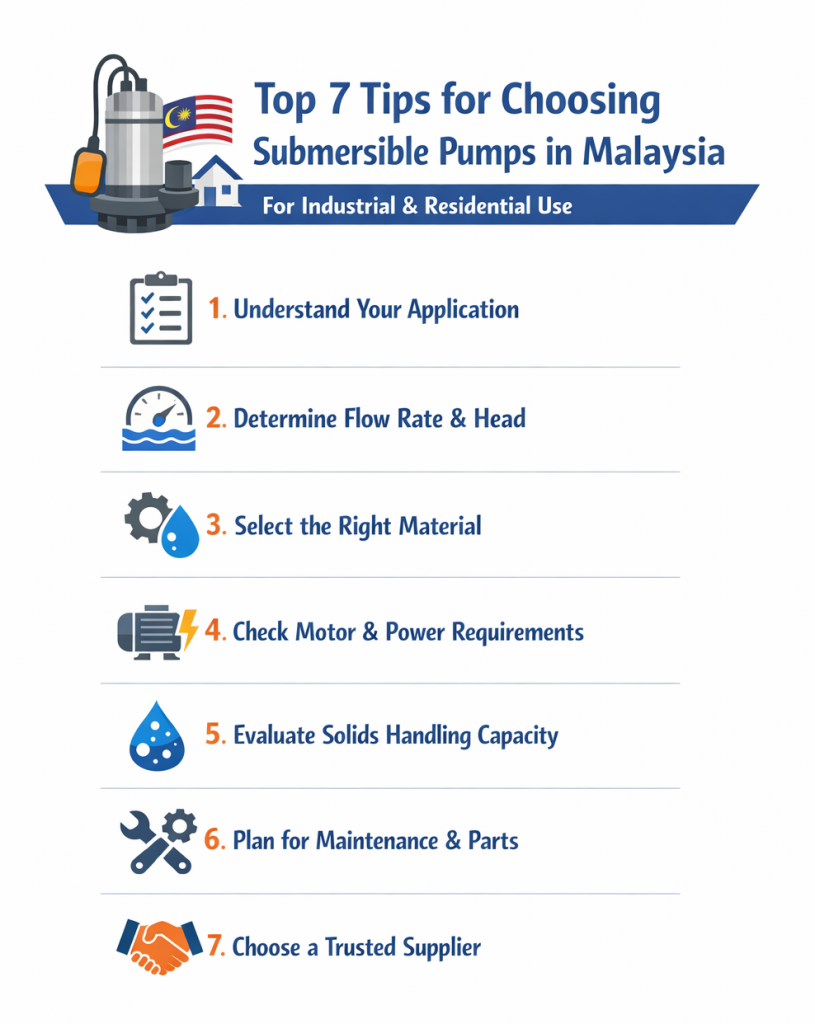
1. Understand Your Application
Before buying a submersible pump, clearly define where and how it will be used. Common applications include:
- Domestic water supply and pressure boosting
- Irrigation for agriculture
- Industrial water transfer or wastewater handling
- Flood control or drainage
Understanding your application helps you select the correct pump size, capacity, and materials for optimal performance.
2. Determine Required Flow Rate and Head
Two of the most important factors for pump selection are flow rate and total head:
- Flow rate is the volume of water the pump needs to move per hour.
- Total head is the vertical distance the pump must push water, including pipe friction losses.
Accurate calculations prevent underperforming pumps or wasted energy. For industrial use, consulting an engineer or pump specialist is highly recommended.
3. Choose the Right Pump Material
Malaysia’s humid and tropical climate can be harsh on submersible pumps. Selecting the right materials increases durability:
- Stainless steel: Resistant to corrosion, ideal for clean water and food-grade applications.
- Cast iron: Durable and strong, suitable for general industrial and wastewater use.
- Thermoplastics: Lightweight, chemical-resistant, and suitable for corrosive fluids.
Material choice should also match the type of liquid being pumped, especially if it contains solids, chemicals, or abrasives.
4. Check Motor and Power Requirements
Submersible pumps are driven by either electric motors or diesel engines for larger installations. Consider:
- Voltage and phase (single-phase or three-phase)
- Motor efficiency and power rating
- Protection features such as thermal overload and waterproofing
For industrial pumps, three-phase electric motors are common due to higher efficiency and longer service life.
5. Evaluate Solids Handling Capability
If the pump will handle wastewater, slurry, or fluids containing debris, check the solids handling capacity:
- Maximum particle size
- Anti-clogging or vortex impeller design
- Self-cleaning features
A pump that cannot handle solids will frequently clog and fail, leading to costly downtime.
6. Consider Maintenance and Spare Parts Availability
Reliable maintenance options and spare part availability are crucial, especially for industrial pumps:
- Check if local suppliers provide technical support
- Ensure diaphragms, seals, bearings, and impellers are easy to source
- Factor in maintenance frequency and costs
Regular maintenance increases pump lifespan and prevents unexpected failures.
7. Choose a Trusted Supplier
Partnering with an experienced supplier ensures you get genuine products and expert advice. Key benefits include:
- Accurate pump sizing for your specific application
- Technical guidance and installation support
- Access to after-sales service and local spare parts
In Malaysia, companies like MET provide submersible pumps, technical support, and end-to-end solutions for industrial and residential needs.
Common Mistakes When Choosing Submersible Pumps
Avoid these errors to ensure reliable pump performance:
- Ignoring Application Needs – Choosing a pump without understanding its use can lead to poor performance.
- Wrong Flow Rate or Head – Improper sizing wastes energy and reduces efficiency.
- Incompatible Materials – Using the wrong pump materials can cause corrosion or premature failure.
- Neglecting Solids Handling – Pumps that can’t handle debris will clog frequently.
- Overlooking Maintenance – Hard-to-source parts or limited support lead to downtime.
Why Choose MET for Submersible Pumps in Malaysia
When selecting a submersible pump, choosing the right supplier is as important as selecting the right pump. MET stands out in Malaysia for industrial and residential pumping solutions because they offer:
- Extensive Product Range – From domestic water pumps to heavy-duty industrial submersible pumps, MET provides a variety of models to suit different applications.
- Engineering Expertise – MET’s team helps with accurate pump sizing, system design, and installation guidance, ensuring your pump performs optimally.
- After-Sales Support – Local technical support, spare parts availability, and maintenance services make it easy to keep your pumps running efficiently.
- Quality Assurance – MET supplies pumps from trusted brands with proven reliability and durability in tropical Malaysian conditions.
- Custom Solutions – For complex industrial applications, MET can design and provide integrated pumping systems tailored to your needs.
Choosing MET ensures not only the right pump but also ongoing support, which minimizes downtime and maximizes long-term value.
Conclusion
Choosing the right submersible pump in Malaysia requires a clear understanding of your application, accurate flow and head calculations, material compatibility, motor requirements, solids handling, and maintenance needs. By following these 7 tips, you can select a pump that delivers reliable performance, reduces downtime, and maximizes long-term value.
Frequently Asked Questions (FAQs)
What types of applications are submersible pumps used for in Malaysia?
Submersible pumps are used for domestic water supply, irrigation, industrial water transfer, wastewater handling, flood control, and drainage across residential, commercial, and industrial settings in Malaysia.
How do I determine the right flow rate and head for a submersible pump?
Flow rate is the volume of water the pump needs to move per hour, and total head is the vertical distance the water must be pumped, including pipe friction losses. Accurate calculations ensure optimal performance and prevent energy waste.
What materials are suitable for submersible pumps in Malaysia’s tropical climate?
Stainless steel for corrosion resistance and clean water applications, cast iron for industrial and wastewater use, and thermoplastics for chemical resistance are recommended depending on the pumped fluid.
Why is choosing a trusted supplier important when buying submersible pumps?
A reliable supplier like MET provides accurate pump sizing, technical guidance, installation support, spare parts, and after-sales services, ensuring long-term performance and minimizing downtime.
