

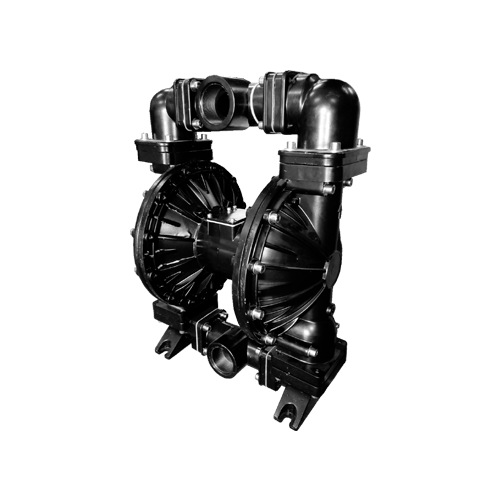
Diaphragm pumps, especially Air Operated Double Diaphragm pumps, are widely used across Malaysian industries because of their versatility, durability, and ability to handle challenging fluids. From chemical processing and manufacturing to wastewater treatment and food production, these pumps are often selected where reliability and safety are critical.
Choosing the wrong diaphragm pump can result in poor performance, frequent maintenance, and higher operating costs. This guide explains how to choose the right diaphragm pump for industrial use in Malaysia based on real operating conditions rather than brochure specifications.
Understand Your Industrial Application
Before comparing brands or prices, it is important to clearly define how the pump will be used. Many pump failures happen because the application was not properly assessed.
Key points to consider:
- Type of fluid being pumped
- Presence of corrosive, abrasive, or viscous properties
- Solid content, fibres, or suspended particles
- Operating cycle, whether continuous or intermittent
- Installation environment, indoor, outdoor, or hazardous
A diaphragm pump suitable for clean water may fail quickly when used for chemicals or slurry if the application is misunderstood.
Select the Right Pump and Diaphragm Materials
Material compatibility is critical, especially for industrial applications in Malaysia.
Common pump body materials include:
- Aluminium for non-corrosive and general industrial use
- Stainless steel for food, pharmaceutical, and corrosive fluids
- Polypropylene for acid and chemical resistance
- PVDF for highly aggressive chemicals
Common diaphragm materials include:
- PTFE for excellent chemical resistance
- Santoprene for durability and versatility
- EPDM for water-based and mild chemical fluids
- Nitrile for oils and fuels
Using incompatible materials can lead to corrosion, leakage, or premature diaphragm failure.
Determine Flow Rate and Pressure Requirements
Many industrial diaphragm pumps are incorrectly sized due to inaccurate flow or pressure calculations.
Important factors to evaluate include:
- Required flow rate
- Discharge pressure and head height
- Pipeline length, bends, and fittings
- Air supply pressure and volume
Because AODD pumps rely on compressed air, insufficient air supply will limit pump performance regardless of pump size.
Evaluate Compressed Air Supply
AODD pumps depend entirely on compressed air, making air quality and availability essential.
Key considerations include:
- Adequate air pressure and airflow
- Clean and dry compressed air
- Proper air filtration and regulation
- Air efficiency for long-term operating cost control
Poor air supply often leads to erratic operation and excessive air consumption.
Consider Solids Handling and Dry Run Capability
One of the main advantages of diaphragm pumps is their ability to handle solids and operate safely without liquid.
Important points include:
- Maximum allowable solid size
- Valve design suitable for slurry or fibrous materials
- Self-priming capability
- Ability to dry run without damage
These factors are particularly important for wastewater treatment, palm oil processing, and chemical transfer systems.
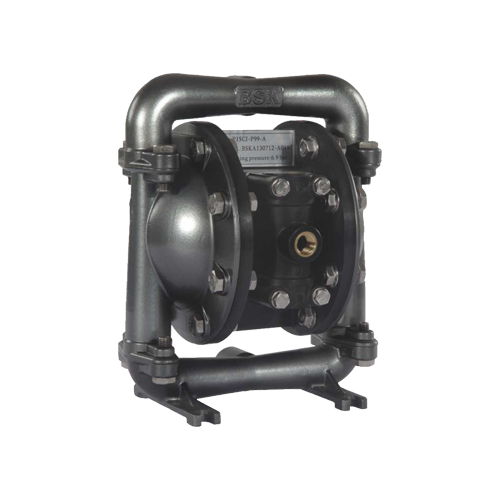
Factor in Malaysia’s Operating Environment
Malaysia’s hot and humid climate places additional stress on industrial equipment.
Environmental considerations include:
- Corrosion resistance for outdoor installations
- UV resistance for exposed components
- Seal durability under high humidity
- Ease of maintenance in tropical conditions
Pumps designed for harsh environments and supported locally tend to perform more reliably.
Plan for Maintenance and Spare Parts Availability
All diaphragm pumps require maintenance. What matters is how easily and quickly it can be done.
Before selecting a pump, consider:
- Availability of diaphragms, valves, and seals in Malaysia
- Maintenance frequency and rebuild kits
- Local technical support and service capability
Long spare part lead times can cause costly downtime in industrial operations.
Choose an Engineering Based Pump Supplier
For industrial use, supplier expertise is as important as the pump itself.
Engineering based suppliers typically provide:
- Application specific pump selection
- System design and integration
- Fabrication and skid mounted solutions
- After sales support and troubleshooting
Working with a technically capable supplier helps ensure long term performance and reliability.
Balance Initial Cost with Long Term Performance
Lower priced diaphragm pumps may appear attractive initially but often result in higher operating costs.
Common long term issues include:
- Higher air consumption
- Frequent diaphragm replacement
- Shorter service life
- Increased downtime
Selecting the right pump from the start reduces total cost of ownership.
Common Mistakes When Choosing Diaphragm Pumps
Many industrial diaphragm pump issues are not caused by product defects, but by incorrect selection during the early stages. Understanding common mistakes can help industrial users in Malaysia avoid unnecessary downtime and higher operating costs.
Common mistakes include:
- Selecting pump size based on price rather than actual flow and pressure requirements
- Ignoring compressed air supply limitations and air quality
- Using pump and diaphragm materials that are incompatible with the pumped fluid
- Overlooking maintenance requirements and local spare part availability
- Choosing suppliers without technical or after sales support
Avoiding these mistakes leads to better pump performance, longer service life, and lower total cost of ownership.
Conclusion
Choosing the right diaphragm pump for industrial use in Malaysia requires a thorough understanding of the application, material compatibility, air supply, and operating environment. Partnering with an experienced, engineering based pump supplier ensures better performance, longer service life, and more reliable operations.
Frequently Asked Questions (FAQ)
Are diaphragm pumps suitable for continuous industrial operation in Malaysia?
Yes, diaphragm pumps can be used for continuous industrial operation when they are correctly sized and supplied with adequate compressed air. Proper material selection and regular maintenance are important to ensure long-term reliability.
What industries in Malaysia commonly use diaphragm pumps?
Diaphragm pumps are widely used in chemical processing, wastewater treatment, palm oil mills, food and beverage production, manufacturing, and industrial slurry handling due to their ability to handle corrosive and solid-laden fluids.
Do air operated diaphragm pumps require electricity to operate?
Air operated diaphragm pumps do not require electricity to run, as they operate using compressed air. This makes them suitable for hazardous environments and locations where electrical power is limited or restricted.
How often do diaphragm pumps need maintenance in industrial applications?
Maintenance frequency depends on operating conditions such as fluid type, air quality, and usage cycle. In general, periodic inspection and timely replacement of diaphragms and valves help maintain consistent performance and prevent unexpected downtime.
